

A quick guide on Lean Manufacturing
Lean Culture Transformation Guide
What is Lean Culture Transformation?
Lean Transformation is a structured, principle-driven journey aimed at maximizing value and eliminating waste across an organization. Traditional "old school" lean often fails due to its rigid, top-down, tool-focused approach. And unfortunately this seems to be status quo that has left a poor reputation of what lean is really about.
True lean success modeled after Toyota requires:
Committed leadership
Clear vision
Ongoing education
Businesses must begin by:
Assessing their current state
Piloting improvements and';
Gradually building a culture of continuous improvement through focused training, clear communication, and process standardisation.
Common challenges must be overcome such as:
Resistance to change
Misunderstanding of lean principles
Conflicting metrics
Financial Constraints
For small and medium-sized manufacturers, Accessible Lean Consulting recommends simplified approaches:
Focus on practical actions
Prioritize cultural change
Deliver fast, visible results
Celebrate success at every stage along the way
This modern, people-first model makes lean more accessible and helps organizations sustain improvements, unlock hidden capacity, and gain a lasting competitive edge without unnecessary complexity.
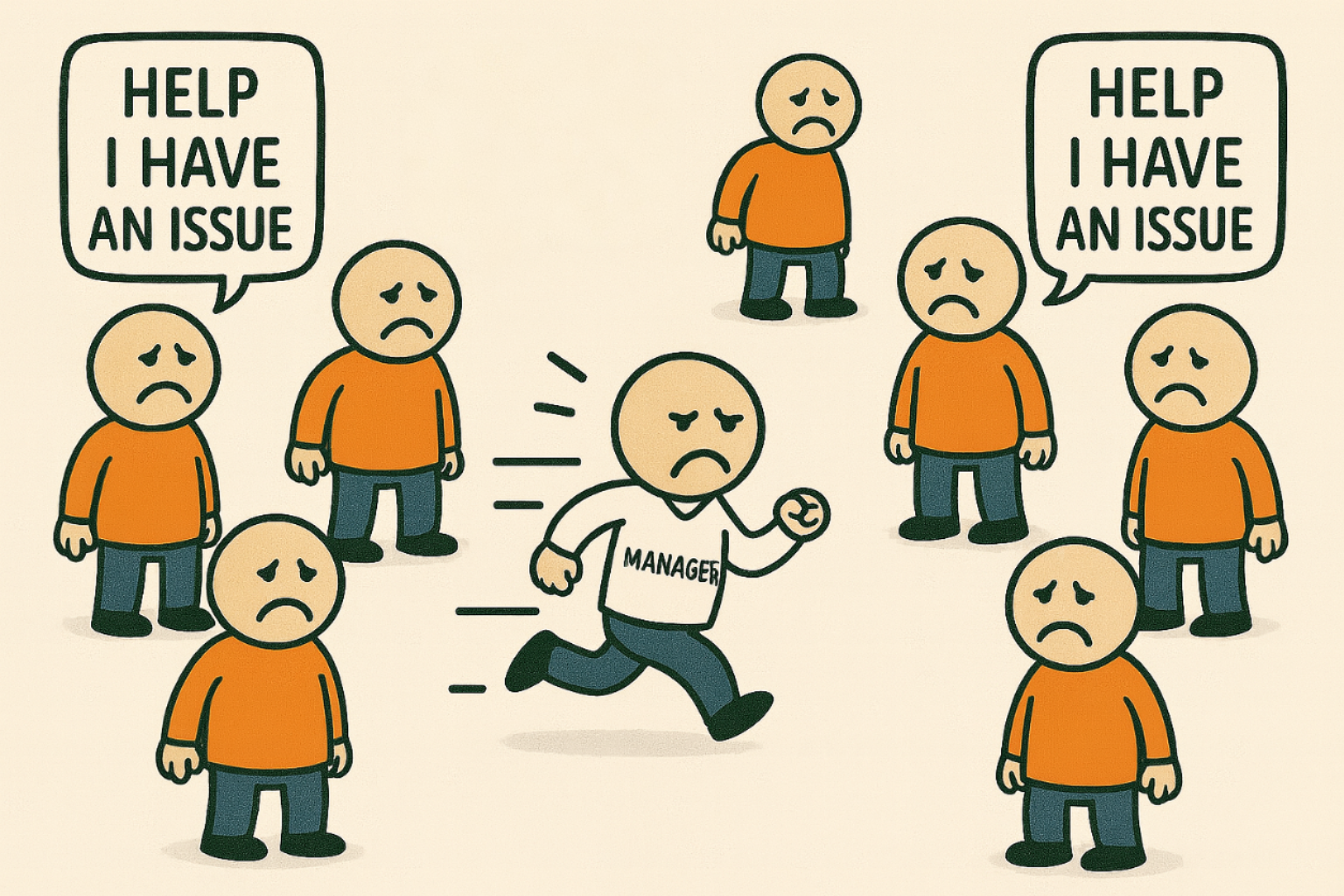
Typical Companies
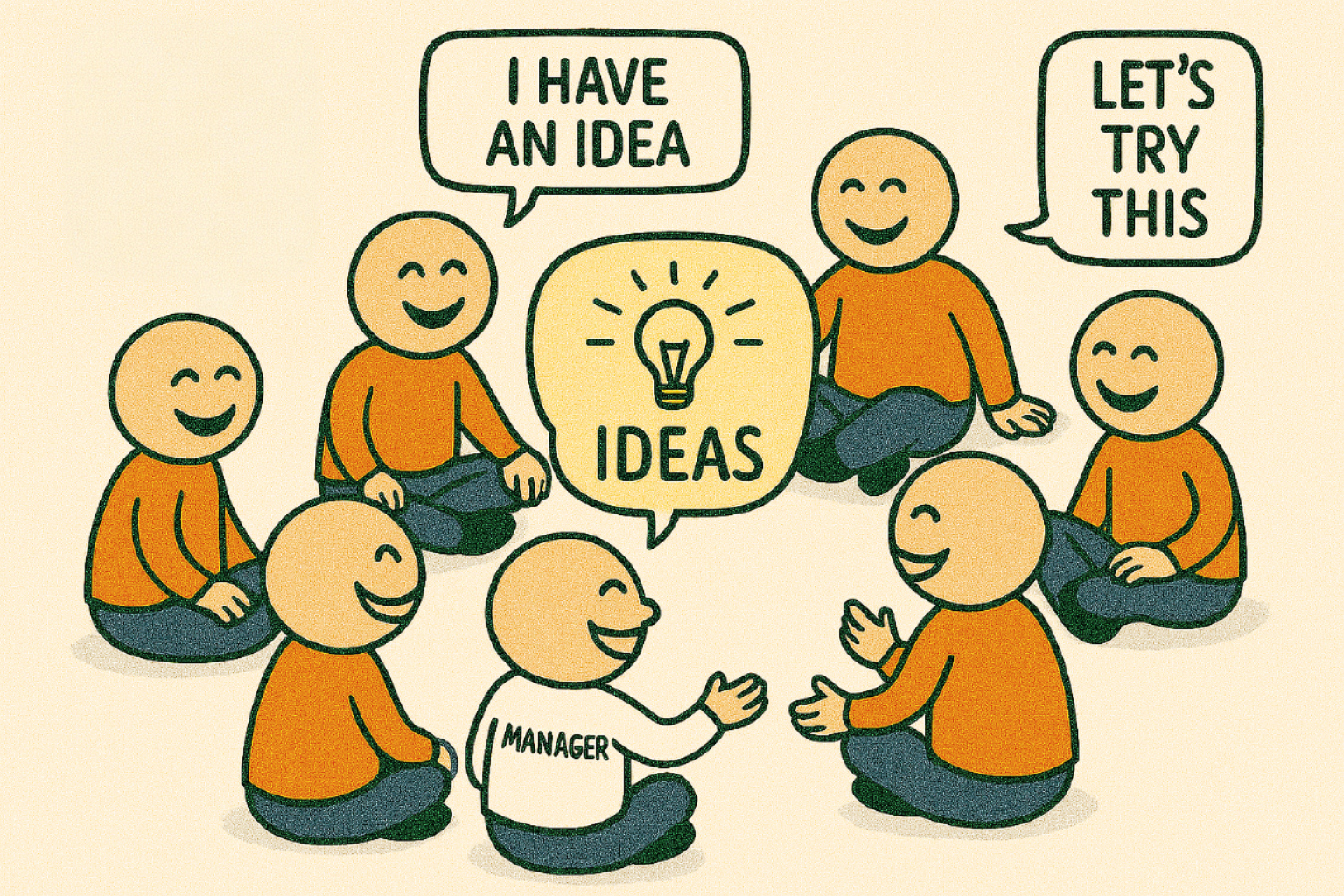
Lean Companies
“Only 2 percent of companies that have a Lean program achieved their anticipated results.”
— Liker & Rother
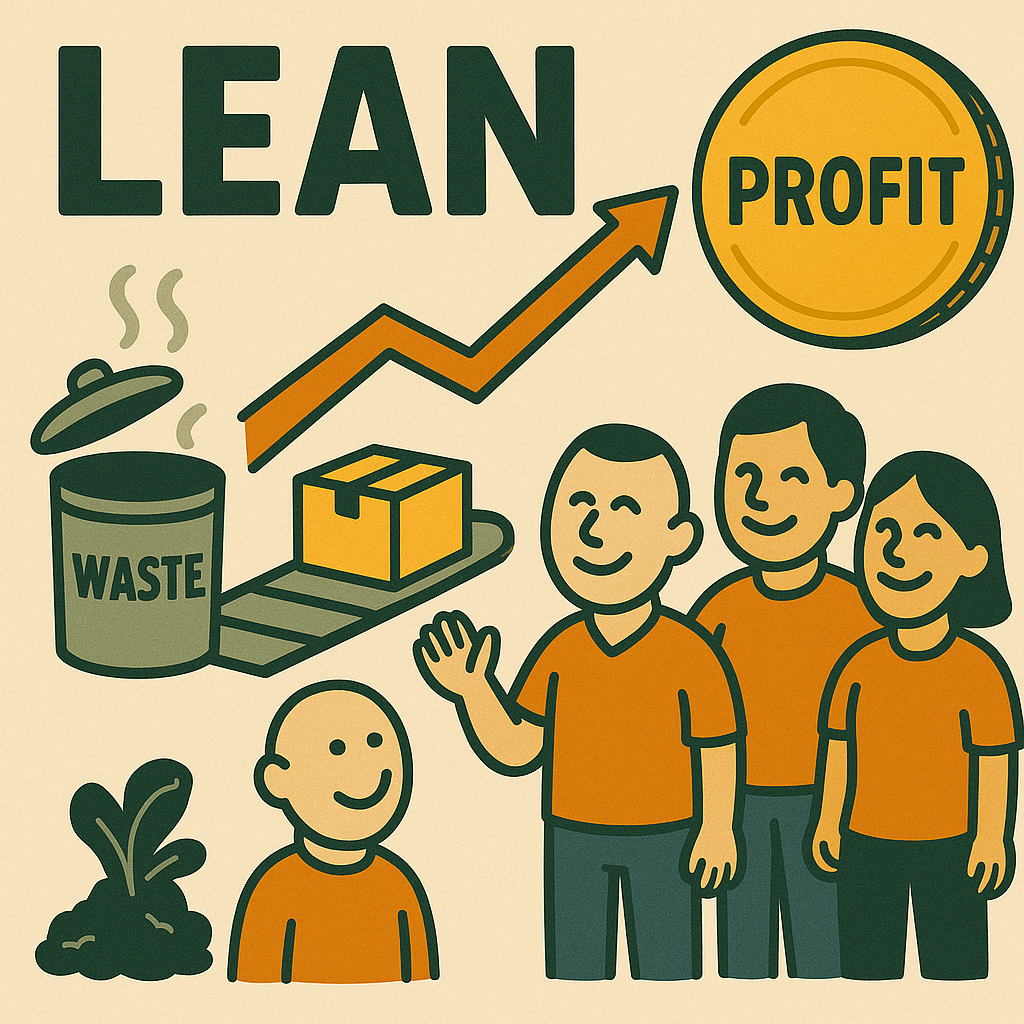
Why Bother With Lean?
Profit - Plain and Simple
If you're running a factory today, you know the pressure: rising costs, skilled labour shortages, and relentless customer demands. Traditional cost-cutting won’t get you far anymore. The real opportunity lies in improving how you work not just cutting what you spend.
Lean is not a buzzword. It’s a way to transform your operations so they deliver more value with less waste. That means smoother production, happier teams, and products your customers love.
At Accessible Lean Consulting, we believe lean isn't just about saving dollars;' it's about freeing up time, space, and energy. When done right, lean adds capacity without adding unnecessary cost.
“The one and only reason to go lean is to make more money.”
— Bill Carreira
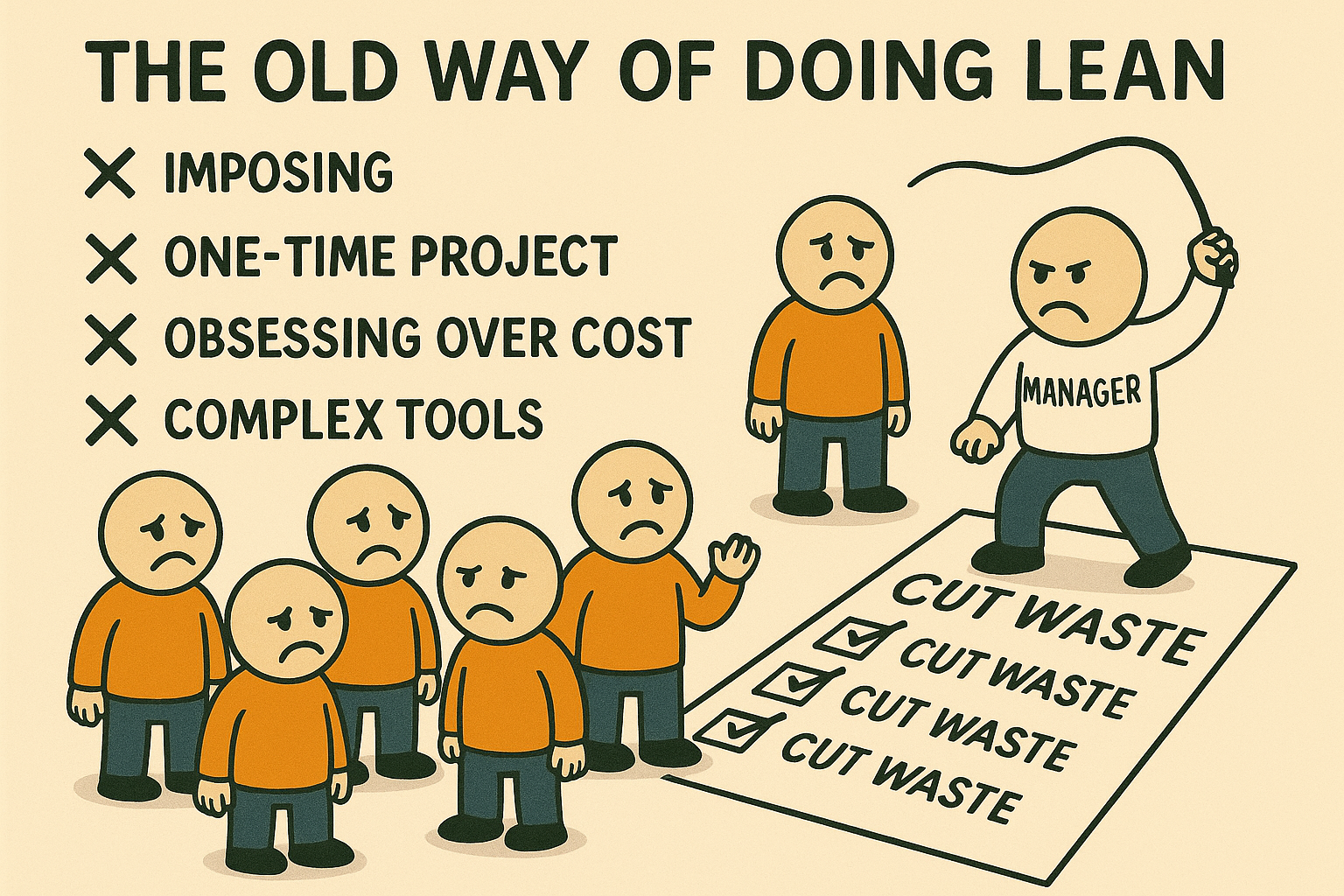
"Old School" Lean - Why This Technique Doesn’t Work?
Following Toyota the ‘Wrong Way’
The old way of doing lean was all about slashing waste and squeezing every ounce of productivity out of your workers. The result? Disengaged staff, short-lived wins, and a broken culture.
What doesn’t work:
Imposing lean from above with no frontline staff input
Treating it like a one-time project
Obsessing over cost instead of flow and value
Pushing complex tools without the culture to support them
Real lean isn’t a checklist or a set of kaizen blitzes - it’s a defined mindset of “Improve Everyday”. When lean fails, it's usually because it's implemented as a cost-cutting method, not a productivity-enhancing culture.
“Lean people should drive lean, but not own it.”
— Manager from a Successful Lean Enterprise
Caution About Lean - Problems and Resistance
Build Culture not Tools
Implementing lean is not without its risks. In fact, many businesses have tried and failed. Not because lean doesn't work, but because they weren't prepared for what lean truly demands.
Common barriers:
Lack of leadership involvement
No time allocated for improvement
Conflicting KPIs that reward local optimisation
Cynicism from past failed attempts
Fear of change, especially when lean is used as a tool to cut heads instead of grow capability
Lean exposes weaknesses in systems, leadership, and communication. Be ready to address them honestly - ‘If it doesn’t work we can go back’.
Be realistic about the time expectations you can expect, sometimes it can take several years to build a fully embedded lean culture. Lean transformation requires everyone to be involved from CEO to apprentice.
“Develop exceptional people and teams who follow your company’s philosophy.”
— The Toyota Way
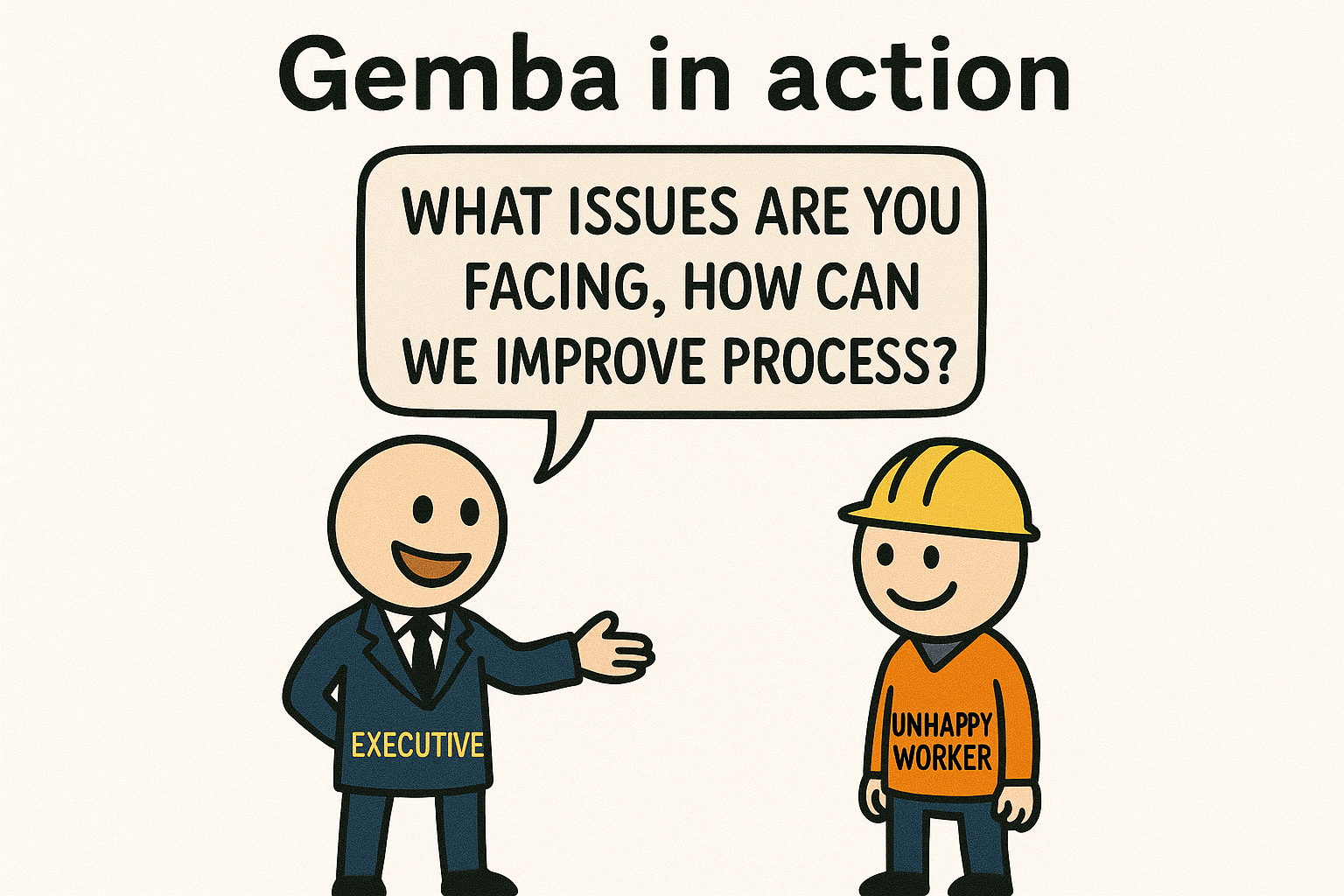
Requirements for Lean - Leaders, Education, Vision
Transparency is key
To succeed with lean, you need more than tools you need commitment from the top, clarity of purpose, and an investment in people.
What’s essential:
Leadership: Executives and managers must lead from the front. Lean starts at the top, not the shop floor. Senior management must be the ones to drive lean and the facilities around which lean exists. They must drive and create initiatives that create empowerment and enable their work-force.
Education: Everyone must know what lean really is from supervisors to team members. Lean is about seeking out waste and non-value activities, not wild cost cutting reduction.
Vision: People need to see where they're going. Without a compelling vision, lean feels like another short-term initiative.
Accessible Lean Consulting help leaders craft that vision, and coach teams to bring it to life.
“The use of a good process that engages people is much more desirable, even if it does not initially achieve all the results.”
— The Toyota Way
6 Steps for Lean Culture Transformation
Step 1 - Assess
What are the capabilities of our business? Build trust in the leadership.
Drive the Vision: Start by defining why you're adopting lean and what success looks like.
Train Management: Middle and senior managers need practical, honest training; not theory-heavy lectures.
Create a Leaders Team: A cross-functional team committed to leading the transformation and not just watching from the sidelines.
Step 2 - Trial
Will lean work? Prove the dis-believers wrong.
Rapid Success: Identify an area where you can show early wins in weeks, not months.
Focused Training: Teach just enough for the team to act and don't overwhelm them with theory.
Communicate the Vision Extensively: Make sure the whole company sees the vision and hears about the early wins.
Step 3 - Educate
Teach what it means to be Lean, how to identify waste, and what are PDCA cycles.
Training: Provide role-based training to operators, leaders, and support functions each need tailored content.
Awareness: Share stories, visuals, and results to build awareness and engagement.
Communication: Maintain two-way feedback; lean is done with people, not to them.
Step 4 - Implement
Roll out key components of lean - 5S, 9 Wastes, Rapid PDCA, JIT, VSM
Roll Out Lean Manufacturing: Expand lean activities beyond the trial area, but do so with discipline.
Replace Metrics: Ditch outdated KPIs that encourage batching or inventory hoarding. Introduce flow-based metrics.
Step 5 - Stabilize
What is not working? Stabilize the culture and supportive leadership are critical here
Create Consistency: Standardise work, visual management, waste audits, 5S audits, and daily routines.
Create expectations: Contributions to lean, visual OFI boards with Yokoten behaviours, and toolbox meeting contributions.
Remove Old Structures: Get rid of outdated roles, reports, and habits that reinforce traditional non-lean management.
Create new worker training guides: Make all new workers undergo lean training and onboarding.
Step 6 - Kaizen
Keep being Lean! Everyday better than the last
Continuous Improvement Cycle: Create a system where improvement is daily, driven by frontline suggestions and small experiments.
Sustain Culture: Celebrate improvements. Recognise lean behaviour. Reinforce the “why” constantly.
“Lean is not a tactic or a cost reduction program, but a way of thinking and acting for an entire organization.”
— James P. Womack & Daniel T. Jones, Lean Thinking
Alternative Technique: Lean Made Simple by Ryan Tierney
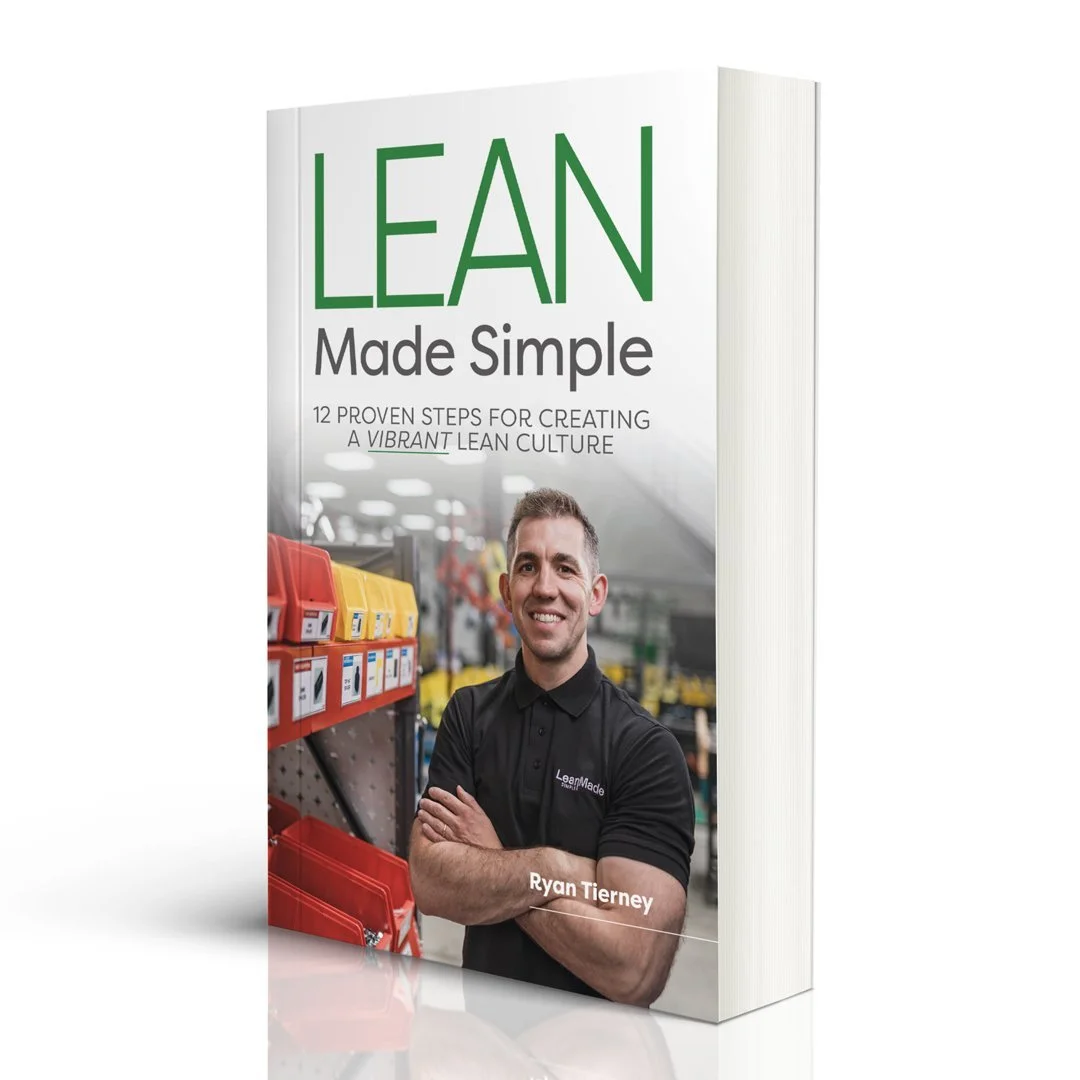
No amount of reading, online course, or structured learning environments will come close to the new method revised by Ryan Tierney. The best implementation we have seen to date is from Ryan Tierney with his new simple revised technique of lean. He removes the complexity of lean and brings the simples methods straight to the front of workers without jargon.
Lean Made Simple by Ryan Tierney presents a practical, no-nonsense approach that aligns closely with our philosophy at Accessible Lean Consulting.
Core ideas:
Keep it simple. No jargon, no complex charts.
Start with culture. Fix how people work together before tweaking the process.
Build momentum fast with visual wins and empowering leaders.
Don’t just teach lean; live it.
This model is perfect for companies who want to start lean without the overwhelming depth and create a system that actually sticks.